What if the Africa Urban Forum had taken place on 6 March 2026, the day Nairobi was flooded, sweeping people, their homes and businesses? Maybe the conversations would have carried a different weight.
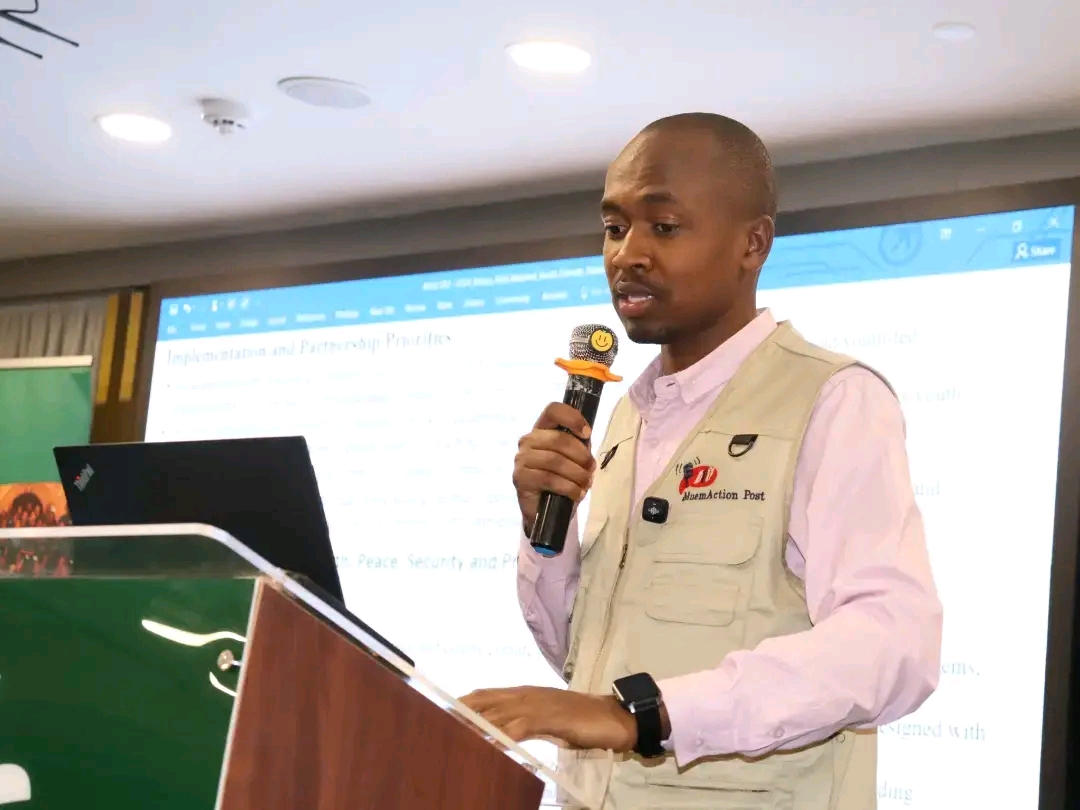
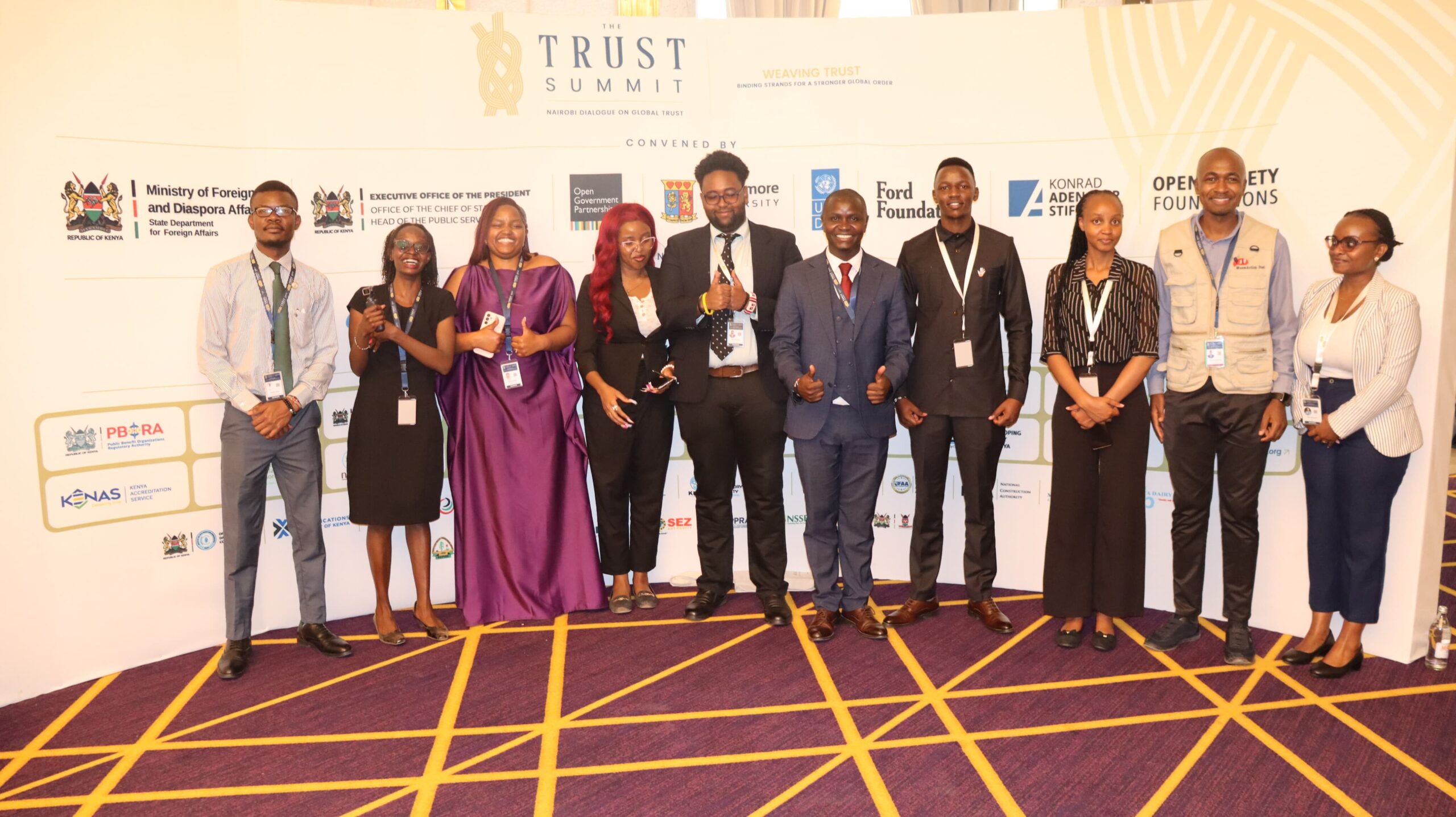
MuemAction Post participated in the Africa Urban Forum held from 8–10 April, represented by our Executive Director Boniface Harrison and Program Coordinator Brenda Senkenoi. They took part in discussions, learning and contributing to conversations on urban resilience, climate justice, and inclusive city planning, which fed into the final declaration.
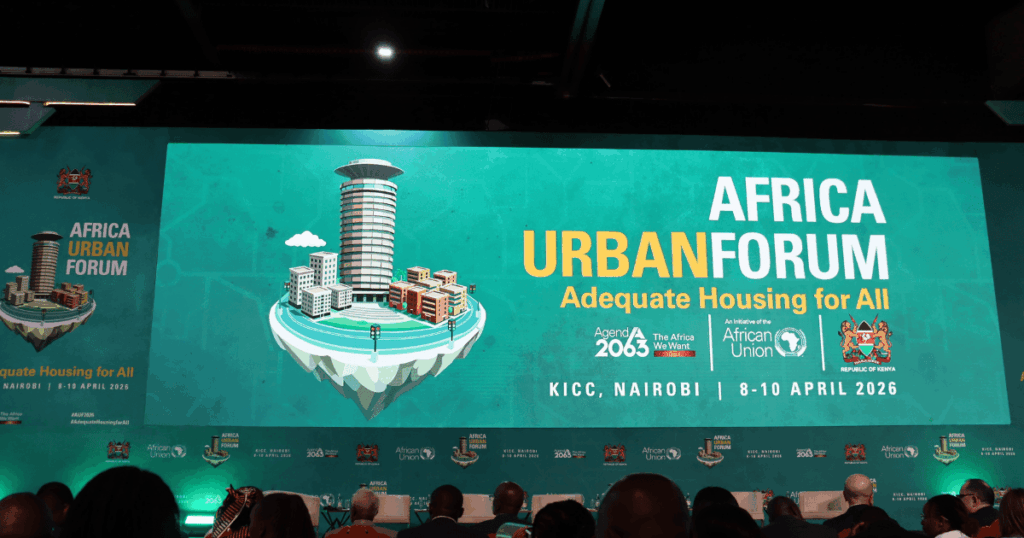
The forum came to Nairobi at a time when the city is already under pressure. It is growing fast, with a population of more than 5 million people and that growth is stretching housing, roads, drainage systems, and basic services beyond their limits.
Every day, Nairobi produces over 3,000 tonnes of solid waste, which translates to roughly 0.5 to 0.7 kilograms per person per day. When not properly managed, much of this waste ends up in rivers, drains, and open spaces. During heavy rains, it blocks drainage systems and worsens flooding. It also contributes to the spread of waterborne diseases such as cholera and typhoid, while making already difficult living conditions even harder for communities struggling to survive.
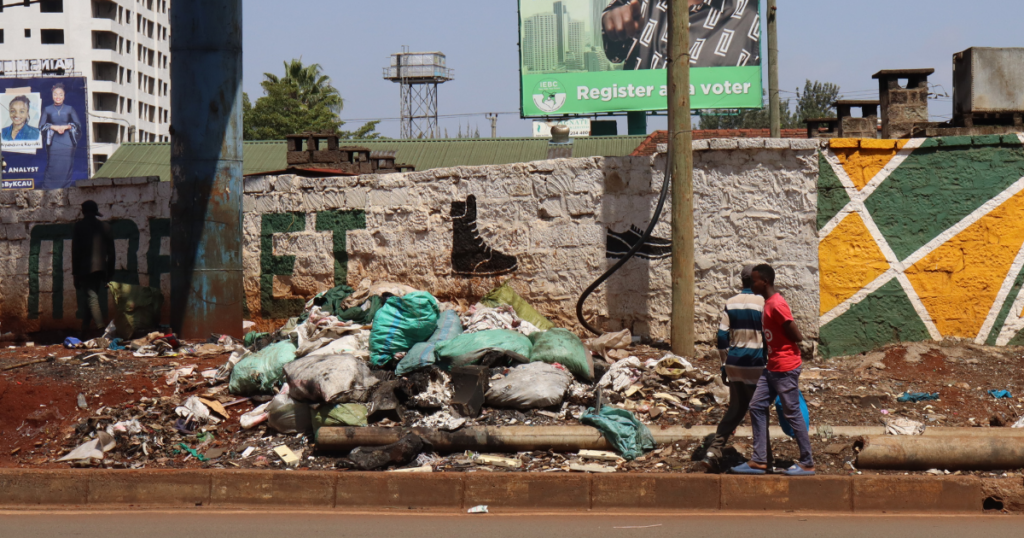
Flooding has become a repeated reality, especially in informal settlements where drainage is weak or missing. More than 60 percent of Nairobi residents live in these areas, where housing is tightly packed and often made of temporary materials like iron sheets, timber, and mud. Many homes sit in low-lying or riverbank areas, so even light rain quickly leads to water entering houses, damaging belongings, and forcing families into unsafe conditions or temporary shelter.
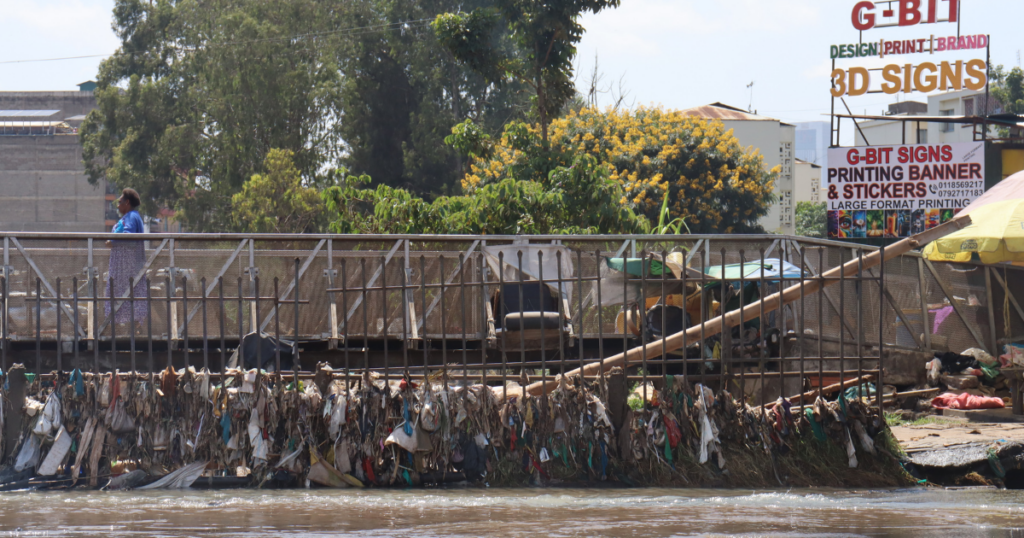
The Nairobi River continues to carry pollution, with waste and sewage flowing through it. Over time, the river has become too narrow to properly contain its flow, especially during heavy rains, increasing overflow into surrounding communities. This is worsened by unchecked dumping and weak enforcement of environmental regulations.
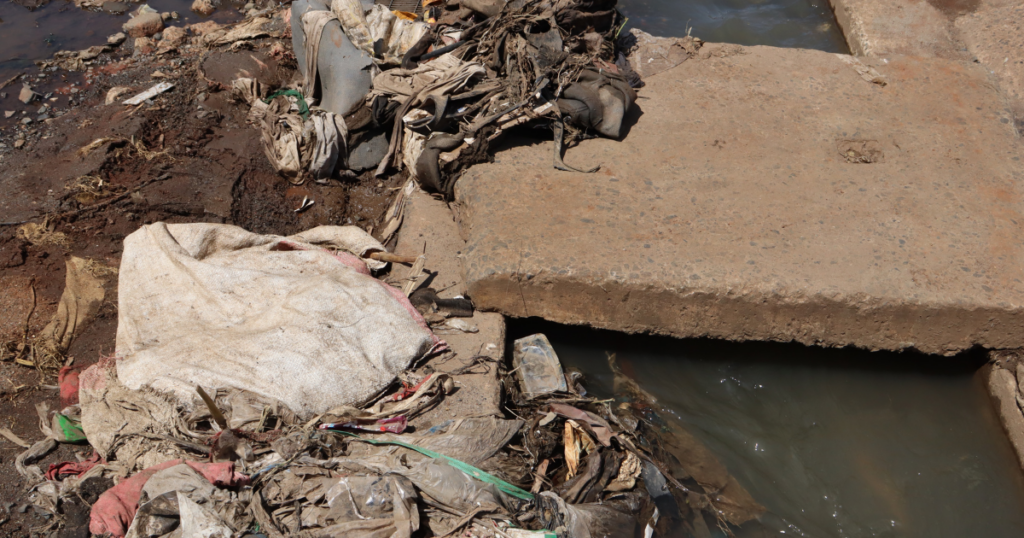
Pledges were made at the forum to respond to these challenges. What matters now is whether those commitments translate into real action that reaches the communities living at the frontlines of flooding, pollution, and inequality.
MuemAction Post firmly recommends expansion and restoration of the Nairobi River, strict enforcement and punishment for illegal dumping, proper maintenance of urban infrastructure such as drainage systems, better housing and lawful urban planning, and the creation of a vibrant circular economy where waste is transformed into useful products towards better livelihoods.
The question remains, can the Africa Urban Forum turn promise into real change for Nairobi’s urban challenges?
Follow MuemAction Post Channel for more insights on climate action, digital skills and civic engagement.