Civic Engagement
Fuel Crisis, Protests, and the Urgent Need for Kenya’s Energy Transition
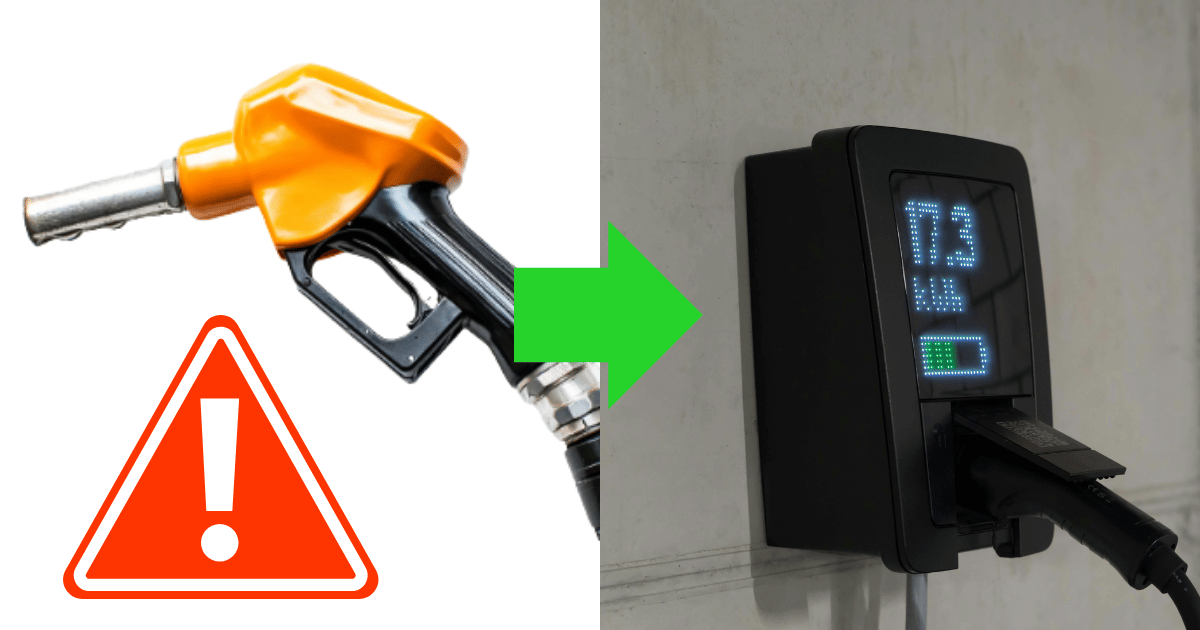
As a country whose transport sector consumes more than 75 percent of all imported petroleum products and depends heavily on diesel and petrol, there is an urgent need for government intervention. Without immediate cushioning measures, such shocks risk destabilising livelihoods, increasing unemployment and deepening poverty, especially among low income households affected by rising transport costs and food inflation. We further caution the government against addressing such matters with more political considerations than evidence based and people centred solutions, because doing so may escalate a lawful civil act of protest into wider and unintended consequences that could undermine national stability.