By Boniface Harrison – Executive Director, MuemAction Post
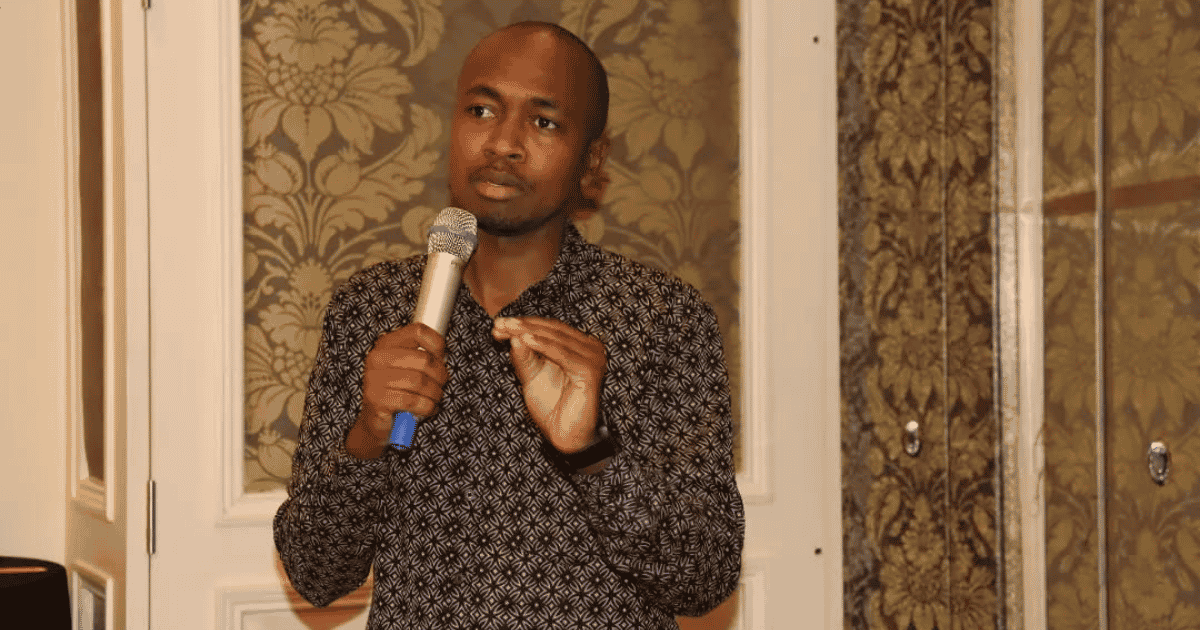
We have an update from COP31 in Antalya, Türkiye, from John Elly, Project Officer at WeWorld Kenya, who was also partnered with MuemAction Post during the Local Conference of Youth (LCOY) Kenya under the United Nations Framework Convention on Climate Change (UNFCCC) YOUNGO and is currently participating in the global climate negotiations.
We appreciate John for the work he continues to do in the negotiation rooms and for representing the voices and interests of Kenyan young people. His presence and engagement are important in ensuring that the priorities of young people, particularly those from communities most affected by climate change, are not left out of global climate discussions. We thank him for keeping us informed and encourage him and everyone pushing for meaningful climate solutions to keep going. Our hopes are with you!
In his update from the Kenya Head of Delegation briefing on 18 November 2026, John reports that COP31 has entered one of its most challenging stages, with the conference approaching its conclusion. While progress has been made on several technical issues, major disagreements remain around climate finance, adaptation, mitigation and just transition. At the time of the briefing, 21 mandated agenda items were still outstanding.
Some of the key developments include:
1. Climate finance remains a major sticking point
One of the biggest concerns is the limited financial commitments available to support developing countries in addressing climate change. During the Adaptation Fund pledging session, only approximately US$50 million was pledged, compared to US$135 million at COP30. This is far below the Fund’s annual resource mobilisation target of US$300 million.
Developing countries, including African nations, continue to push for predictable, accessible and grant-based climate finance that does not increase their debt burdens.
2. Push for stronger adaptation and loss and damage support
Countries are calling for climate adaptation plans to move beyond commitments into practical implementation. However, disagreements remain over adaptation financing, how progress will be measured and the resources needed to support countries and communities already experiencing climate impacts.
There has been some progress, including agreement on a draft decision concerning Least Developed Countries, although negotiations on National Adaptation Plans remain unresolved.
3. The energy transition and fossil fuels remain contested
The draft COP31 cover decision includes proposals to accelerate the transition away from fossil fuels and phase out inefficient fossil fuel subsidies. However, countries remain divided on how these commitments should be implemented.
Developing countries, including the African Group, are insisting that climate action must recognise different national circumstances and be supported by adequate financing, technology transfer and capacity building.
4. Progress on just transition and carbon markets
Negotiations are also continuing on establishing a Just Transition Mechanism that provides practical support and resources to countries and communities navigating the transition to sustainable economies.
Discussions on carbon markets have advanced, although important questions remain around environmental integrity, methodologies and ensuring that carbon markets deliver benefits to communities.
5. The proposed COP31 cover decision
The Presidency has presented a draft political outcome that includes reaffirming the 1.5°C warming limit, strengthening countries’ climate commitments, increasing adaptation finance and supporting developing countries with technology and capacity building.
There is also a proposal for an Antalya–Addis Ababa Roadmap on Adaptation and Resilience Finance. However, countries are yet to agree on the final text, with developing nations insisting that ambitious climate commitments must be matched with the financial resources required to implement them.
What does this mean for Kenya and Africa?
For Kenya and other African countries, the real test of COP31 will be whether the final decisions translate into accessible climate finance, stronger adaptation programmes, adequate support for communities experiencing climate impacts and meaningful resources to implement national climate commitments.
The African Group has continued to emphasise that climate finance should not deepen the debt burden of African countries and that mitigation, adaptation, loss and damage must receive balanced attention.
As COP31 approaches its conclusion
John’s update reminds us that while progress has been made, much remains to be done. The big question is whether countries will move beyond ambitious statements and agree on concrete commitments that respond to the realities facing vulnerable communities.
As we follow the final negotiations in Antalya, we appreciate John Elly and all those working tirelessly to ensure that the interests of developing countries, African communities and young people are represented.