By Boniface Harrison – Executive Director, MuemAction Post
Who we are and why we are here
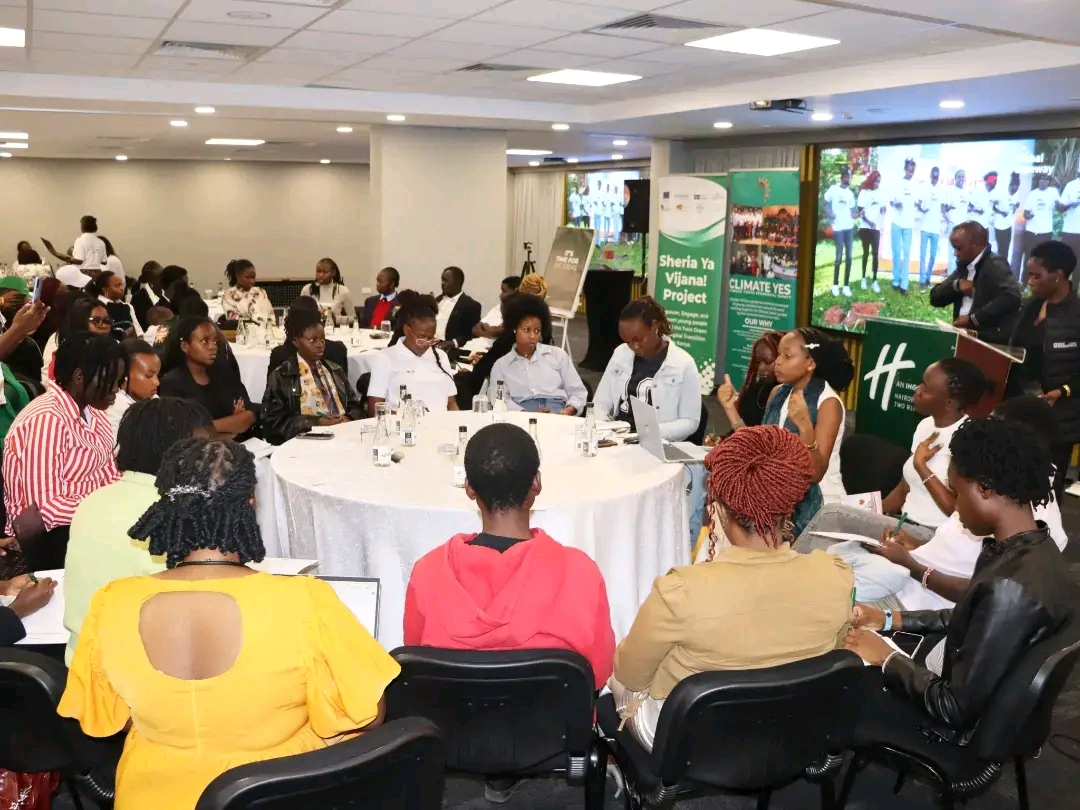
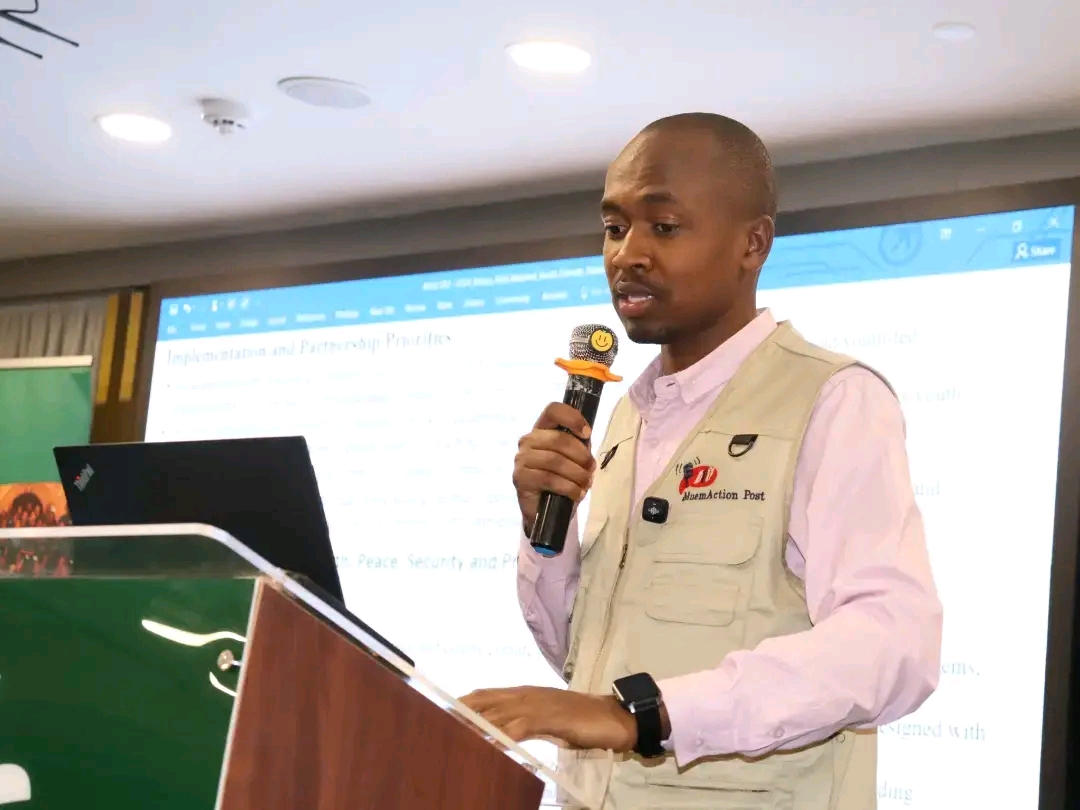
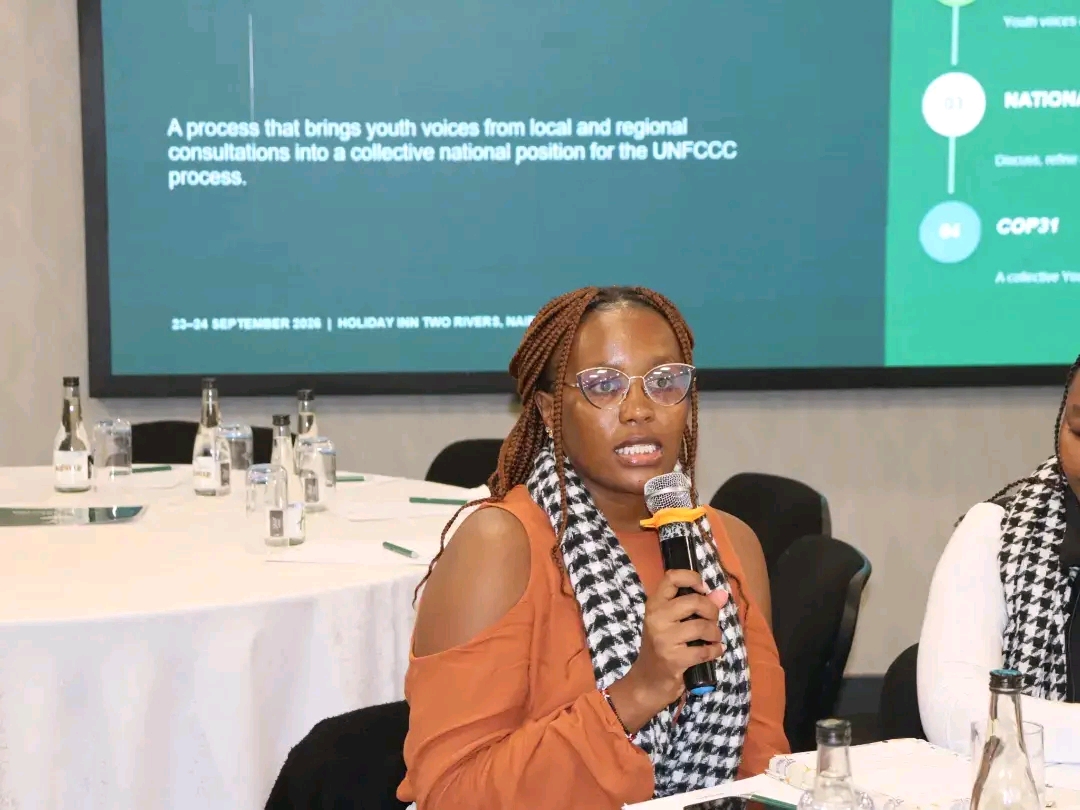
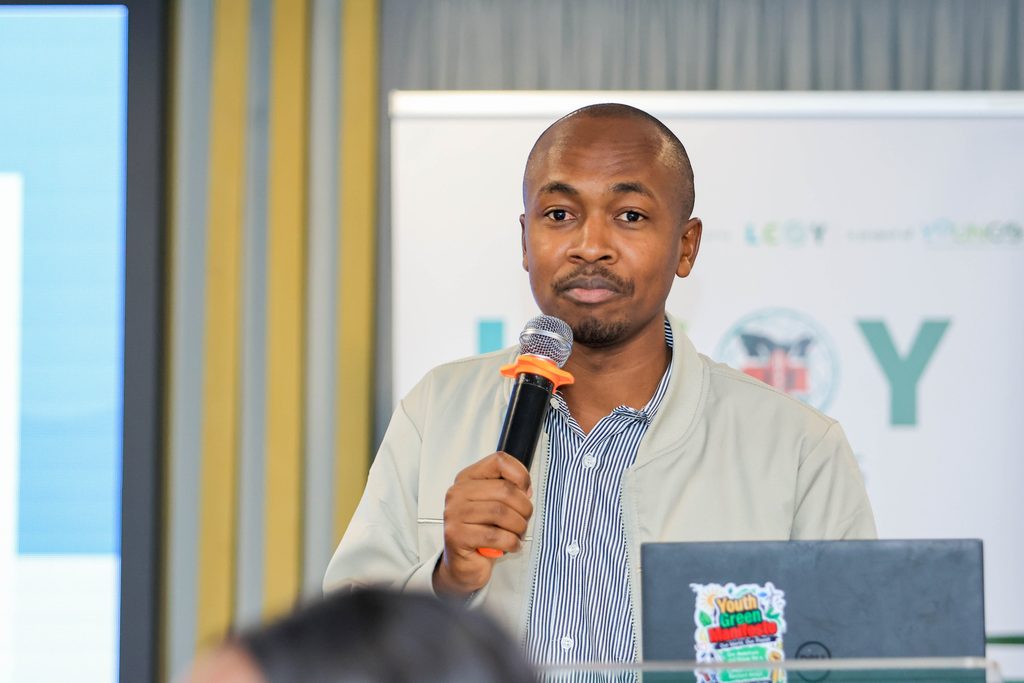
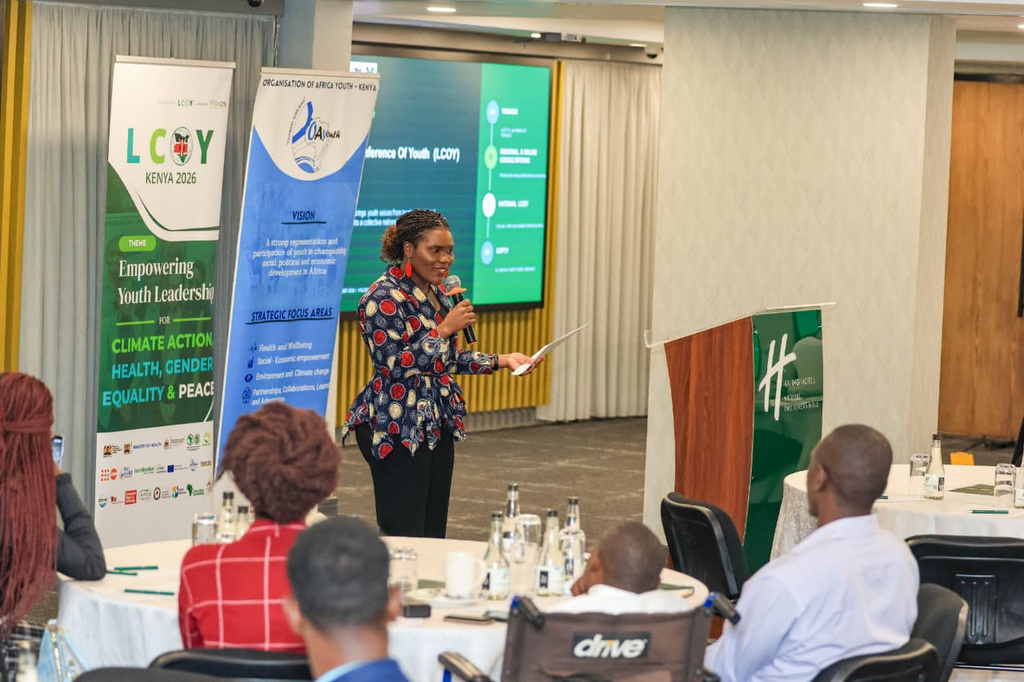
MuemAction Post is a Kenyan social enterprise committed to climate action, digital skills empowerment and enhancing civic engagement. This year, we had the privilege of co-hosting the Local Conference of Youth (LCOY) Kenya alongside the Organization of African Youth Kenya and the Kenya Youth Climate Advisory Council. We were accredited by the Youth Non-Governmental Organizations constituency (YOUNGO) under the United Nations Framework Convention on Climate Change (UNFCCC) through a competitive process, and we took that responsibility seriously. Together, we walked with young people from the first regional online and children conversations all the way to the national gathering, where those voices came together as one statement for the 31st Conference of the Parties (COP31).
What the Local Conference of Youth and the Conference of the Parties mean
The Local Conference of Youth (LCOY) is a youth-led space where young people in a country come together to discuss climate challenges, share solutions and agree on shared priorities. The Youth Non-Governmental Organizations constituency (YOUNGO) is the official youth and children constituency under the United Nations climate process, and each accredited national Local Conference of Youth feeds into it and into the wider global youth climate movement.
The Conference of the Parties (COP) is the annual United Nations climate summit where countries negotiate how the world will respond to climate change. The 31st Conference of the Parties (COP31) is the 31st round of these talks. What gets agreed there can seem far away, but it shapes real things in our communities like how much money reaches farmers facing drought, whether early-warning systems reach flood-prone areas, how trade rules affect small businesses, and whether young people have a say in any of it.
Why young people matter
We matter because we are already living with the consequences, and we will carry the decisions made today for the longest. But we are not only people who will be affected. We are farmers, entrepreneurs, researchers, innovators and organizers who are already building solutions in our own communities. Any climate decision made without us leaves out the people with the most at stake and a lot of the energy needed to deliver results.
Thank you to our partners
None of this would have happened alone. We are deeply grateful to the partners who showed up, stood with young people during the regional and national consultations, and helped turn the Local Conference of Youth (LCOY) Kenya into a space where ideas became action and voices became a statement for the 31st Conference of the Parties (COP31).
Thank you to the Ministry of Environment, Climate Change and Forestry, the Ministry of Health, the National Youth Council Kenya, the African Development Bank Group, Resilient Futures, the United Nations Population Fund (UNFPA), WeWorld, Barnfonden, the World Health Organization (WHO), the Africa Community of Planetary Partners for Health and Environment (ACOPPHE), Global Gateway and the European Union, Crawn Trust, Friedrich Ebert Stiftung, the Kenya Platform for Climate Governance (KPCG), the Kenya Red Cross, Sauti Salama, Stretchers Youth Organization, Pioneer Child Development Programme, Climate YES and Y+ Kenya.
What we are saying
We are the young people of Kenya, and we have a message for the world’s climate negotiators: stop inviting us to the table as guests and start treating us as decision-makers.
What we are asking for, overall
Before we get into specifics, here are the six big things we want.
We want a real role in every stage of climate policy, from planning and budgeting to accountability, along with clear pathways to become the next generation of negotiators under the United Nations Framework Convention on Climate Change (UNFCCC). We want climate finance that is accessible, decentralized and transparent, so that youth-led and locally led work can actually get funded. We want climate literacy to be mandatory in primary and secondary schools, Technical and Vocational Education and Training (TVET) institutions and universities.
We want legal protection for food, water, health and education as climate impacts get worse. We want real economic opportunities through circular economies, green industrialization and local value addition. And we want governments to deal seriously with climate-driven displacement, security threats, non-economic losses and gender disparities.
Set One: what we want to see at home
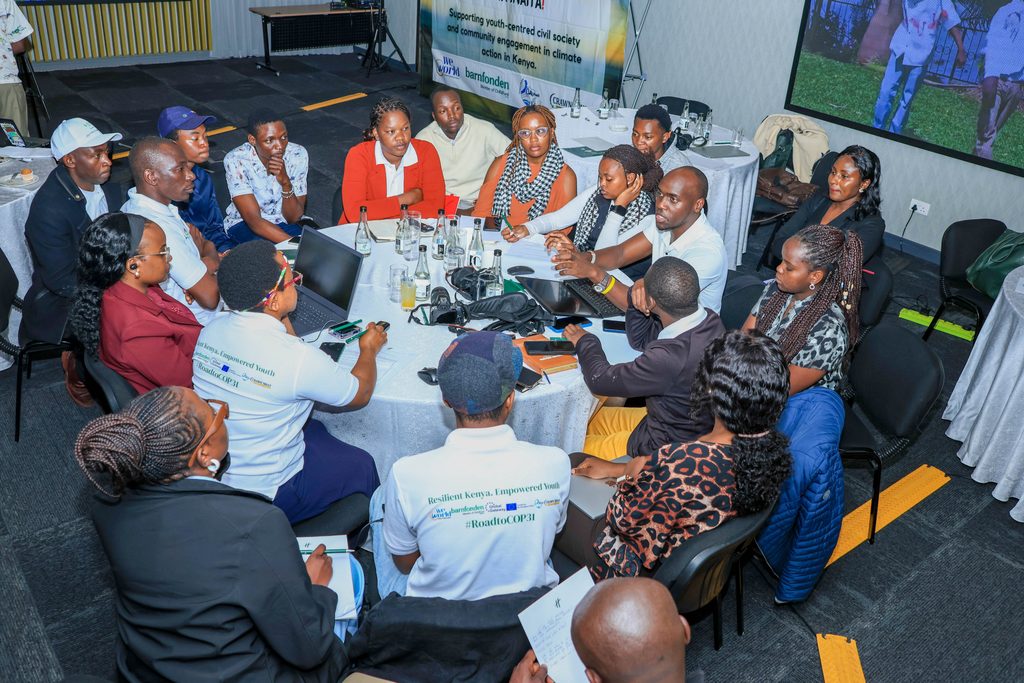
Our first set of asks is for Kenya’s governments, public institutions, funders, private sector and civil society. We have organized it into six tracks.
Finance and just transition. We want dedicated funding windows for youth organizations, young entrepreneurs, women, Indigenous Peoples and grassroots groups. Applying for climate money should be simpler, with plain language and real support for first-time applicants. We want County Climate Change Funds strengthened so communities and young people help design and monitor local solutions, and we want funding information and disbursements tracked publicly. Carbon market activity should come with real benefit-sharing and grievance mechanisms that work.
Engagement and education. We want youth representation written into law on national and county climate councils, technical working groups and public consultations. We want climate education woven into every curriculum, formal and non-formal. And we want a structured national pipeline to train and mentor young people so we can join Kenya’s official delegations to negotiations under the United Nations Framework Convention on Climate Change (UNFCCC).
Peace, security and protection. Climate-security risks and early-warning systems should be built into all national and county disaster planning. Anyone displaced by climate impacts should be guaranteed continued schooling, healthcare, water, sanitation, safe spaces and psychosocial support.
Agriculture and food security. We want more investment in climate-resilient farming technology, irrigation and extension services for young farmers. We also want the legal and financial barriers that keep us from land, affordable credit and risk-management tools to be dismantled.
Health and gender. We are tired of broad promises. We want funded action on sexual and reproductive health and rights (SRHR), maternal and adolescent health, mental health, gender-based violence (GBV) and unpaid care, with indicators, budget lines, responsible institutions and public reporting. We also want care work recognized as a pillar of climate resilience through the five Rs: recognize, reduce, redistribute, reward and represent.
Economic diversification and circular economy. Circular economy principles should become a legal and strategic pathway to green industrialization and youth employment. That means public procurement, financing and incubation support for youth-led circular enterprises.
That is what we want to see in Kenya. But our communities cannot adapt on their own, and many of the decisions that shape our future are made far from home, so we also have aks for the world.
Set Two: what we will push for at the 31st Conference of the Parties (COP31)
Many of the decisions that shape our future are made in international negotiations, so this second set follows the same six tracks, now written for the 31st Conference of the Parties (COP31).
We want these priorities to inform Kenya’s negotiating positions and feed into the Youth Non-Governmental Organizations constituency (YOUNGO). We also call on the COP31 Presidency and the Presidency Youth Climate Champion to take them into account, and we want to see them put into practice through the Global Climate Action Agenda and international partnerships.
Here is what we will be pushing for, track by track:
On finance, we urge Parties to deliver predictable, accessible and adequate climate finance for developing nations, with priority for locally led adaptation, loss and damage, and youth-led initiatives. Institutions like the Green Climate Fund (GCF) need reform so that youth and grassroots organizations can actually reach implementation capital.
On engagement, we want Action for Climate Empowerment (ACE) fully implemented, with public awareness, education and institutionalized youth participation across all bodies of the United Nations Framework Convention on Climate Change (UNFCCC). We also want negotiation academies, technical training and mentorship for young delegates from developing countries.
On protection, adaptation and loss and damage frameworks must explicitly cover climate-induced displacement, non-economic losses and the disproportionate vulnerabilities young people carry. Predictable financing for early warning and community resilience in fragile ecosystems should be treated as an international imperative.
On agriculture and food security, we want adaptation finance dedicated to sustainable agriculture, water security and ecosystems, and young farmers backed with technology transfer, extension services and market access.
On health and gender, we call on Parties to make climate-resilient health systems and gender equality central to the COP31 outcome. We call for sexual and reproductive health and rights (SRHR), mental health, gender-based violence (GBV) prevention and response, and unpaid care to be integrated into National Adaptation Plans (NAPs), the implementation of Nationally Determined Contributions (NDCs), climate finance and adaptation monitoring, with indicators broken down by gender, age and disability. We call for the five Rs of care (recognize, reduce, redistribute, reward and represent) to guide gender-responsive adaptation finance and policy.
And on economic diversification and the circular economy, we want circular economy models formally recognized as a foundation for green industrialization and sustainable jobs. We call on Parties to fund youth-led recycling, repair and upcycling enterprises through grants and low-interest loans, to share circular technologies and training with developing countries, and to reserve a share of public procurement for products made by youth-led circular enterprises.
Our core message for the 31st Conference of the Parties (COP31)
At the 31st Conference of the Parties (COP31), we are calling for outcomes that move from participation to influence and from promises to implementation. Climate finance, just transition, engagement and education, adaptation and loss and damage, food security, health and gender, economic diversification and response measures must all deliver measurable benefits for children, young people and communities in developing countries.
What we are committing to
We know this goes both ways, so here is what we promise. We will keep organizing and learning, and keep building informed youth constituencies at community, county and national levels. We will develop and scale practical solutions in agriculture, enterprise, research, the circular economy, technology, education and community resilience.
We will build the technical knowledge, negotiation skills and leadership we need to sustain youth influence in national, regional and global climate processes. We will practice inclusive leadership that makes room for marginalized young people and respects the distinct needs and voices of children. We will use evidence, innovation and lived experience to strengthen climate policy and hold institutions accountable. And we will engage constructively in national, African and global climate processes, then report back to the communities whose experiences we carry.
The bottom line
Our message is not simply that young people should be invited into climate spaces. We are calling for a shift from participation to power: from consultation to meaningful influence, from short-term projects to sustained investment, and from promises to implementation. We want to be recognized as more than beneficiaries. We are partners, negotiators, innovators, workers, entrepreneurs, farmers, and leaders, and we are shaping our collective climate future.
Follow MuemAction Post Channel for more insights on climate action, digital skills and civic