
Corruption in Kenya remains a deep and painful reality that continues to deny citizens dignity and access to basic services. It drains public resources and weakens institutions meant to serve the people.
Recent global and national assessments consistently show that corruption is still widespread, especially in public procurement, policing, land administration, and service delivery.
According to Transparency International’s 2024 Corruption Perceptions Index, Kenya scored 32 out of 100, ranking 121 out of 180 countries globally, a clear indication that corruption remains a serious governance challenge.
The effects are visible and personal. Hospitals lack essential medicines and equipment because public funds are stolen or mismanaged. Roads become impassable shortly after construction due to inflated contracts and poor workmanship. Young people remain unemployed as corruption blocks fair access to jobs and diverts resources meant for skills development and enterprise support. Corruption is not abstract. It is felt in overcrowded wards, unsafe roads, and frustrated youth whose potential is ignored.
National surveys show that corruption is part of daily interactions with the state. According to reports from the Kenya Association of Manufacturers (KAM) and other sources, Kenya loses at least Sh3 billion every day, adding up to around Sh1.1 trillion each year, mostly due to corruption in public procurement. The Ethics and Anti-Corruption Commission (EACC) 2024 on the other hand reports further estimates that corruption costs the country about Sh608 billion annually, or roughly 7.8% of Kenya’s Gross Domestic Product (GDP).
Curbing corruption requires practical and collective action. Strengthening citizen oversight, enforcing the law, and opening up public systems to scrutiny are essential steps. One of the most effective ways to achieve this is by empowering citizens to follow public money and question how it is spent.
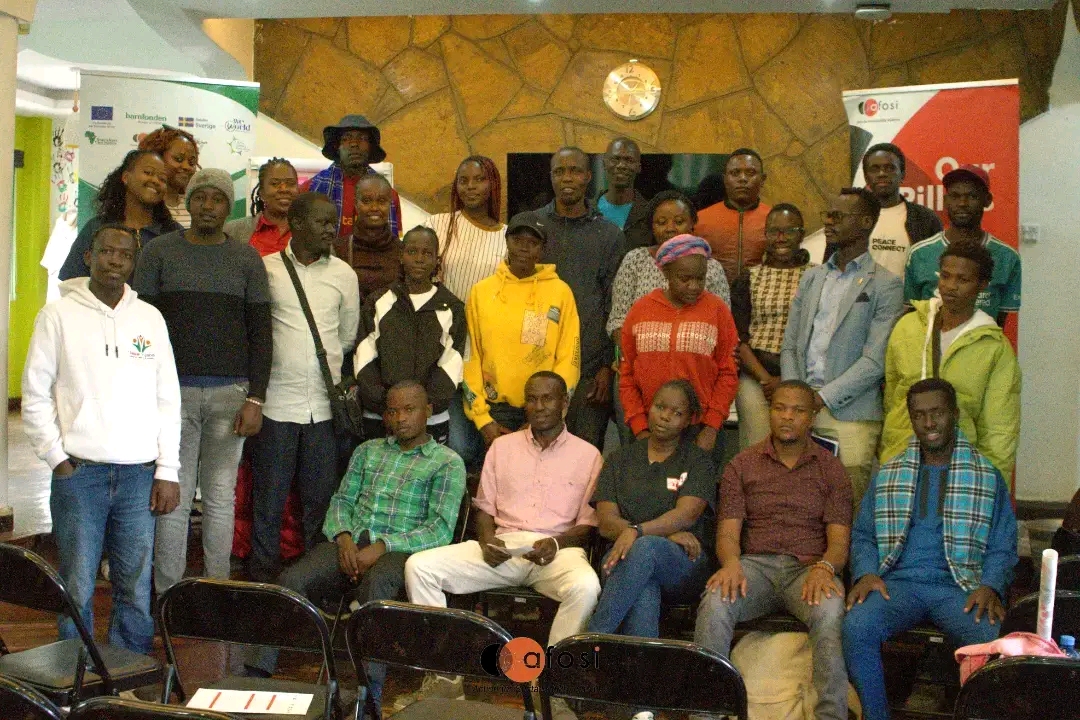
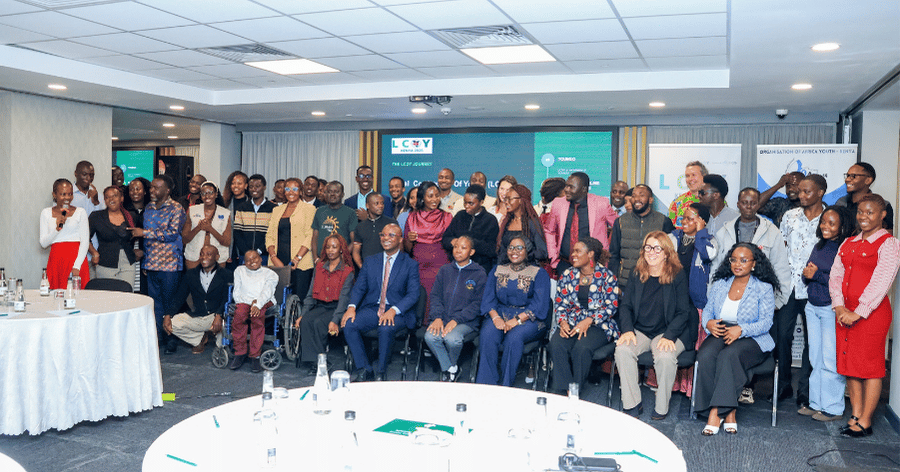
Against this backdrop, MuemAction Post was grateful to be invited to the launch of the Citizen Watch module: Monitoring Public Contracts Through Social Accountability, convened by TISA Kenya. The event sparked meaningful conversations among community leaders from various counties and was highly successful.

The Citizen Watch Module is a key step in the fight against corruption. It will support taxpayers across counties to actively monitor public procurement processes and promote accountability, especially in a sector that remains highly vulnerable to abuse and public resource wastage.
In his remarks, our Executive Director, Boniface Harrison, emphasized the need for stronger legal frameworks and political goodwill to fully operationalize e-procurement systems. He noted that it is shockingly regressive for some individuals to resist moving away from manual procurement in this era of technology, particularly when citizens are demanding transparency, efficiency, and integrity in public spending.

The event brought together accomplished and passionate speakers, including Diana Gichengo, Executive Director of TISA Kenya; Sheila Masinde, Executive Director of Transparency International Kenya; Alexander Riithi from TISA Kenya; partners from Konrad Adenauer Stiftung and the World Bank; Purity Jebor from Oxfam; and many other esteemed contributors.
During the event, Harrison also reconnected with Joan from Inuka Kenya Ni Sisi! and Ken Maina from Mbogihood, reinforcing the importance of collective action in advancing accountability.

We are especially grateful to Sonia Otieno from TISA Kenya for the warm invitation and excellent convening.
Follow our WhatsApp Channel for more knowledge on social issues

2 Responses
A powerful and informative article.
Good work @MuemaAction Post! Congratulations
This is a long due initiative but I really thank you all for this enormous opportunity you’ve created for ordinary citizens to monitor resource utilisation.
The other day, I had a conversation with Grok and I asked the question; will Kenya be saved by a single man like Lee did with Singapore. Is Kenya really ready either for such quick transformation?
The answers neither gives hope nor deny the possibilities.
See, the Law’s of the 2010 constitution DO NOT allow anyone to hold an office beyond 2- five year terms, max 10 years. That means even if we’ve a Transformational leader, his efforts could be eroded by the next sitting President. His grandiose could be undone in five years. Therefore, it remains that the best strategy for long term success of the nation is the citizens becoming highly aware of the actions of the govt and strong institutions that execute govt functions effectively with the public scrutiny being the biggest driving force behind the effectiveness of the govt.
TISA therefore becomes a necessity in facilitating this National Movement, that will take time to move, just like a steam train, but once the momentum kicks in, Kenya will be an African Elephant, comparable to the Asian Tigers!