
Climate adaptation in cities is urgent today due to rapid population growth and rising pollution caused by pressure on resources and weak environmental regulation. As urban populations grow, systems meant to manage waste, transport, housing, and environmental protection are increasingly overstretched.
Nairobi offers a clear example of this challenge. According to data from the Kenya National Bureau of Statistics, Nairobi’s population is estimated at about five million (5,000,000) people, and the number continues to grow every year. With this growth comes increased waste generation. The city produces between two thousand and four thousand (2,000–4,000) tonnes of solid waste every day, a significant portion of which is plastic. Much of this waste is not properly collected or recycled, placing strain on drainage systems, rivers, and public spaces.

These numbers are not just statistics to us. They reflect the reality we live with every day in our neighbourhoods and estates. We see litter dumped along roads, garbage thrown into drainage systems, plastic bottles tossed from moving vehicles, and waste piling up in open spaces. We experience flooding when drains are blocked, polluted air, and rising health risks. This is the everyday urban reality that makes climate adaptation not a choice, but a necessity.
Youth have a critical role to play in responding to these challenges. Young people are often at the frontline of climate impacts in cities, yet they also hold the power to drive change. Through advocacy, innovation, community mobilisation, and accountability efforts, youth can influence behaviour change, promote sustainable urban practices, and push institutions to act responsibly.

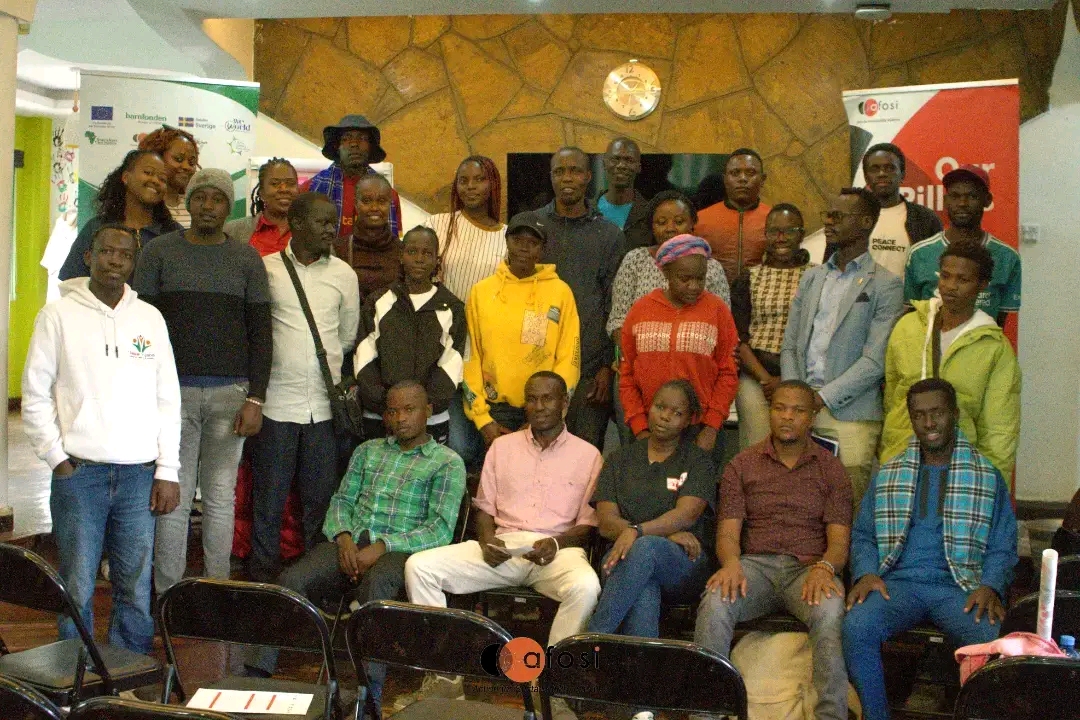
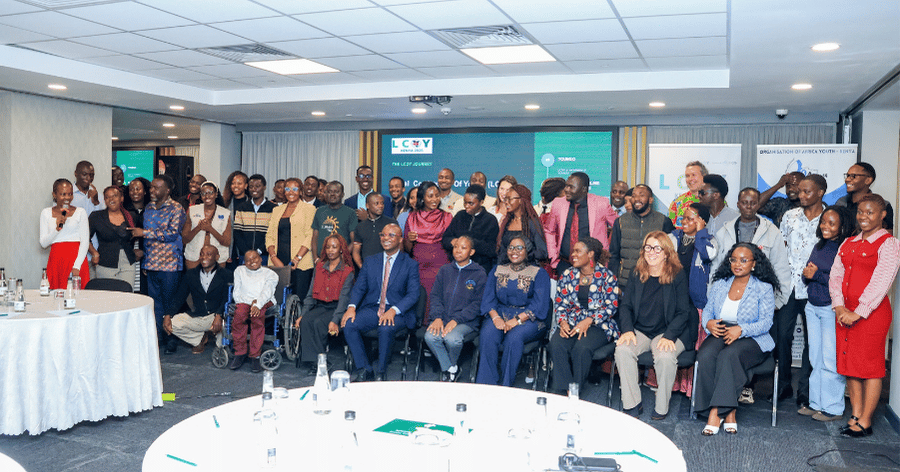
Because of these realities, MuemAction Post Executive Director Boniface Harrison recently facilitated the Global Centre on Adaptation Youth Kenya Urban Climate Adaptation Training, focusing on advocacy strategy and practical action. The session was organised by Kijani Resilience in partnership with the Global Centre on Adaptation and brought together youth climate and environmental leaders from across Nairobi.

During the facilitation, Boniface Harrison guided participants through the importance of advocacy in environmental conservation. He addressed common misconceptions about advocacy, introduced the elements of an effective climate adaptation advocacy strategy, shared sample advocacy projects, and led a practical session on developing advocacy strategies together with Nicole from Kijani Resilience.

The training also covered other thematic areas such as waste management, urban ecosystem restoration, and related topics, facilitated by other experts. These sessions equipped participants with practical skills and knowledge to respond to the climate challenges facing Nairobi and other urban centres.

MuemAction Post sincerely thanks Kijani Resilience and the Global Centre on Adaptation for the partnership and collaboration. We also appreciate the entire team, including Nicole and Akinyi Chemutai, and all the participants for their active engagement and commitment.
To all our partners and supporters, thank you for your support this year. We remain available to collaborate on trainings in climate action, digital skills, and civic engagement. We wish you all happy holidays.
Join our WhatsApp channel here for inspiring insights on social issues

One Response
Good idea and interested